
Kids with Epilepsy
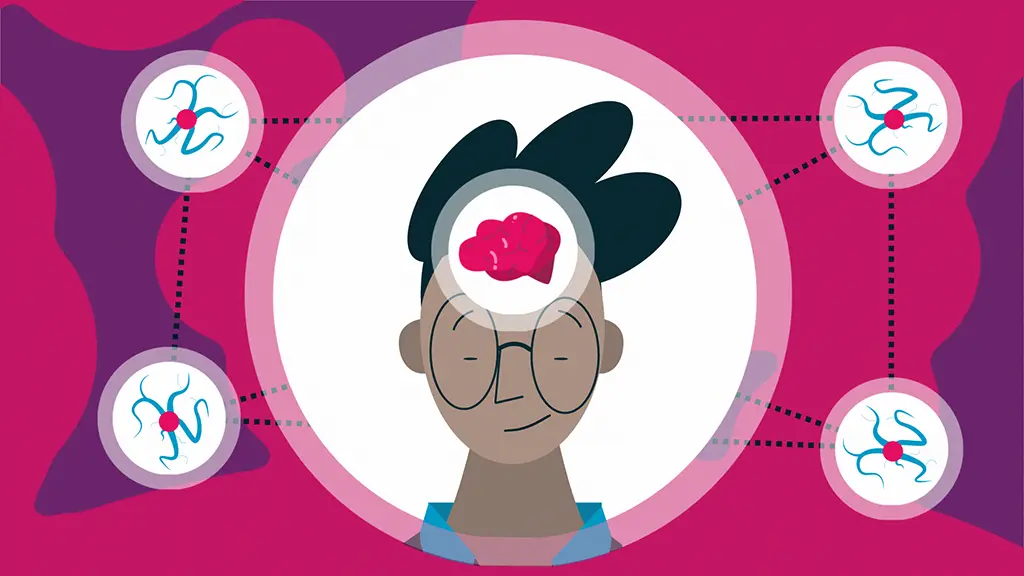
- Epilepsy is a condition that affects the brain and can cause seizures.
- Your brain sends tiny electrical signals to help you think, move, and feel—but in epilepsy, these signals sometimes get mixed up or too fast.
- That mix-up causes a seizure, which might look like shaking, staring, or feeling confused for a little while.
- You didn’t do anything wrong, and you can’t give epilepsy to someone else.
- Lots of kids and teens with epilepsy live normal, fun lives—you can still play, learn, laugh, and dream big!
Kids Epilepsy Seizure
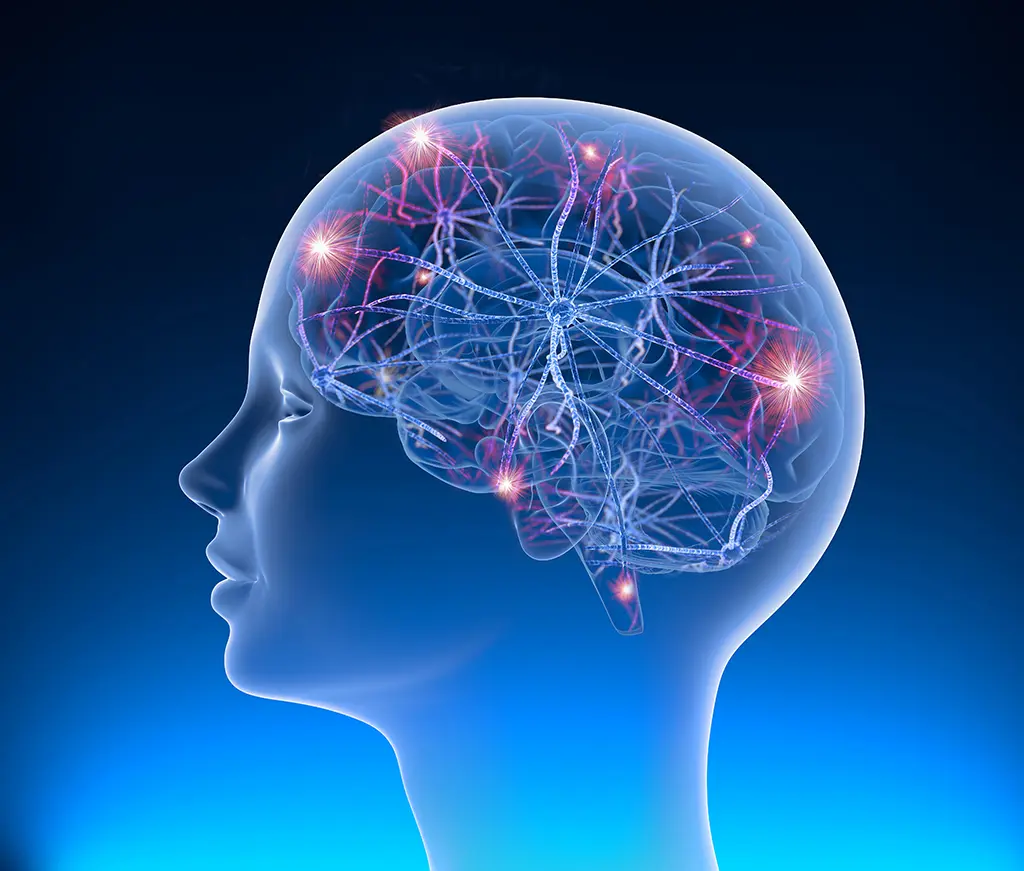
- A seizure happens when your brain’s signals get confused or too active for a short time.
- Seizures can look different—some people might shake, stare off into space, drop things, or seem confused or quiet.
- It’s not your fault, and you can’t stop or control a seizure once it starts.
- Most seizures are quick—they last just a minute or two and usually don’t hurt.
- If a seizure goes longer than 5 minutes, an adult should call 911 right away.
- After a seizure, you might feel tired, sleepy, or not remember what happened—and that’s totally normal.

Common Seizure Triggers
- A trigger is something that can make a seizure more likely to happen.
- Common triggers for teens include not getting enough sleep, stress, and skipping meals.
- Other triggers can be flashing lights, loud sounds, or getting sick with a fever.
- Everyone has different triggers, so it's important to learn what yours are.
- The great news: many triggers can be avoided by staying healthy, taking your medicine, and getting good rest!

Kids Treatments for Epilepsy
- Most kids and teens with epilepsy can control seizures with daily medicine.
- Medicine helps keep the brain’s signals calm and steady.
- Other treatments can include special diets, surgery, or small devices that help the brain.
- Healthy habits like getting sleep, eating well, and managing stress really help too.
- With the right treatment and support, you can do almost everything you enjoy!